How to Create a Non-Toxic Home for Beginners (Step by Step)
Flo Ellis


Creating a healthier, non-toxic home can feel overwhelming at first — especially when you’re faced with long ingredient lists, scary headlines, and advice that makes it sound like you need to replace everything you own.
The good news is this: learning how to create a non-toxic home doesn’t require perfection, extreme changes, or a huge budget. It’s about reducing everyday toxin exposure gradually, in ways that feel realistic for your life.
This guide is designed for beginners, overwhelmed families, and anyone who wants a healthier home without guilt or pressure. We’ll focus on simple, practical steps you can take one at a time.
What Does “Non-Toxic Living” Really Mean?
Before making any changes, it helps to understand what non-toxic living actually is — and what it isn’t.
Non-toxic does not mean chemical-free
Non-toxic living doesn’t mean eliminating every chemical from your life. That’s not realistic, and it’s not necessary.
Instead, it means:
Reducing exposure to unnecessary or harsh chemicals
Prioritising products and habits that are safer for long-term use
Making informed choices without fear or panic
The goal is less toxic, not perfect.
Why small reductions matter
Many toxins affect us through repeated, everyday exposure — especially through:
Indoor air
Cleaning products
Personal care
Food contact materials
Reducing exposure in these areas, even slightly, can make a meaningful difference over time.
Step 1: Improve Your Indoor Air Quality First
Indoor air can often be more polluted than outdoor air due to:
Synthetic fragrances
Cleaning sprays
Candles and air fresheners
Poor ventilation
Improving air quality supports both physical health and overall wellbeing.


If you’re wondering where to start, indoor air quality is one of the fastest and easiest wins.
Why air quality matters so much
Easy beginner-friendly changes
You don’t need special equipment to get started:
Open windows daily, even for 10 minutes
Avoid synthetic air fresheners
Choose beeswax or soy candles instead of heavily scented ones
Let your home “air out” naturally
These small habits cost nothing and make an immediate difference.
Step 2: Switch to Safer Cleaning Products
Many conventional cleaners:
Are used frequently
Come into direct contact with skin
Release chemicals into indoor air
Switching to safer alternatives can reduce daily exposure significantly.
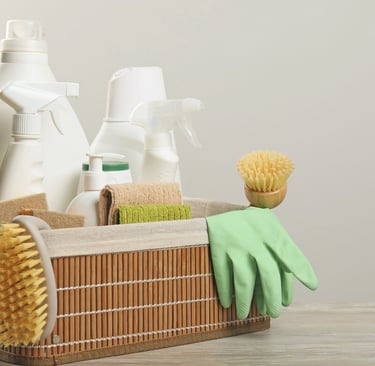
Cleaning products are one of the most common sources of unnecessary chemical exposure in the home.
Why cleaning products matter
What to replace first
For beginners, start with products you use most often:
All-purpose cleaner
Dish soap
Laundry detergent
There’s no need to throw anything away — replace items as they run out.
What can wait
Products used occasionally or in small amounts can be updated later. Progress matters more than speed. Non toxic cleaning products for beginners creating a healthier home

Step 3: Reduce Toxins in Personal Care (Without Replacing Everything)
Start with items used every day:
Hand soap
Body wash
Deodorant
Moisturiser
Replacing just a few high-frequency products can significantly reduce exposure.
Personal care products are another area where small changes can add up over time.
Focus on daily-use products
Keep routines simple

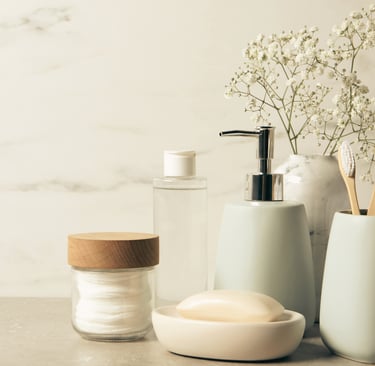
A non-toxic routine doesn’t need dozens of products. Fewer, well-chosen items are often more effective and easier to maintain..
Step 4: Make Small, Safer Changes in the Kitchen
Heat can cause certain materials to release chemicals more easily, which is why kitchen choices deserve attention.
The kitchen is another important area, especially where heat and food contact are involved.
Why the kitchen matters
Beginner-friendly kitchen upgrades
You can start slowly with:
Avoiding heating food in plastic
Using glass or stainless steel for leftovers
Replacing worn non-stick pans when they need replacing
Choosing wooden or silicone utensils instead of plastic
There’s no rush — kitchen changes can happen gradually.
Common Myths About Creating a Non-Toxic Home
A lot of people delay starting because of common misconceptions.
“I need to replace everything at once”
You don’t. Using what you already own is often the most sustainable choice.
“Non-toxic living is too expensive”
Going slowly and choosing quality over quantity is usually more affordable long-term.
“If I can’t do it perfectly, there’s no point”
Progress always matters. Small steps are still steps.
Where to Start If You’re Feeling Overwhelmed
Choose one area: air, cleaning, personal care, or kitchen
Make one change this month
Revisit later when you’re ready
That’s enough to get started.
The one-area, one-swap approach
If this still feels like a lot, simplify it even further.

Final Thoughts: A Healthier Home Is Built Over Time
Creating a non-toxic home isn’t about fear, perfection, or doing everything at once. It’s about making thoughtful choices at a pace that works for you.
Small changes add up. Progress counts. And every step you take supports a healthier home — for you and the people you love.