How to Start Sustainable Living (Without Feeling Overwhelmed)
Flo Ellis
If you’ve ever felt curious about sustainable living but unsure where to begin, you’re not alone. For many people, the idea of “doing better for the planet” quickly turns into pressure, confusion, or the feeling that you’re already behind.
The truth is, learning how to start sustainable living doesn’t require perfection, expensive products, or a completely different lifestyle. It starts with small, realistic changes that fit into your life as it is right now.
In this guide, you’ll learn how to begin sustainable living one step at a time, with a focus on progress, not pressure — especially if you’re a beginner or part of a busy, overwhelmed household.
What Sustainable Living Really Means (Especially for Beginners)
Sustainable living is often presented as an all-or-nothing lifestyle — zero waste, perfectly organised homes, and endless product swaps. That version can feel impossible, especially when you’re just starting out.
Sustainable living is not all-or-nothing
At its core, sustainable living means making choices that reduce harm — to your health, your environment, and your resources — where and when you can.
It does not mean:
Replacing everything you own
Living plastic-free overnight
Spending more money than you have
Getting it “right” all the time
For beginners, sustainable living is about awareness first, then action.
Why starting slow is actually more sustainable
Slow changes are easier to maintain. When you start small:
You avoid burnout
You build confidence
You learn what actually works for your life
Sustainability that fits your routine will always last longer than changes driven by guilt or pressure.
Step 1: Start With One Area of Your Life
One of the biggest reasons people feel overwhelmed is trying to change everything at once. A much more effective approach is to choose one area and start there.
Why choosing one area reduces overwhelm
Focusing on one area:
Reduces mental load
Makes progress visible
Helps new habits stick
Instead of asking: “How do I live sustainably?”,
try asking: “What’s one small area I can improve right now?”
Examples of easy places to start
You might choose:
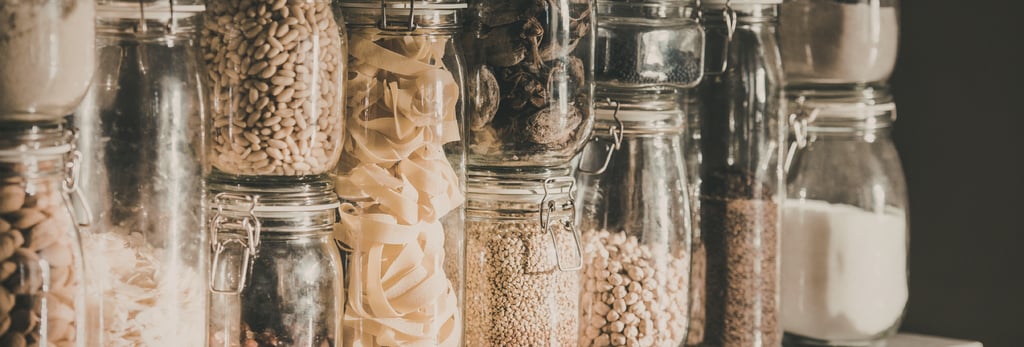
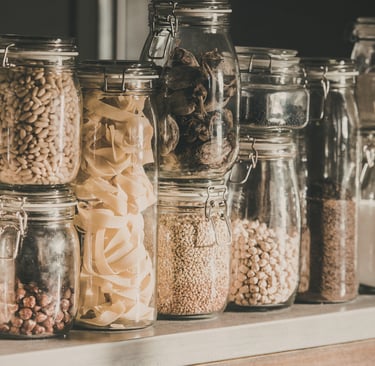
Your kitchen (food storage, waste, habits)
Cleaning products
Personal care
Energy use at home
There is no “best” place to start — only what feels manageable for you.
Step 2: Focus on Habits Before Products
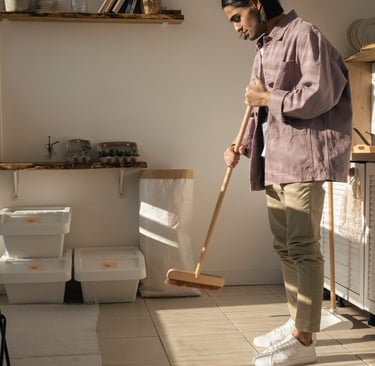
It’s easy to believe sustainable living starts with buying better things. In reality, it often starts with using what you already have.
Sustainable habits that cost nothing
Some of the most impactful changes don’t involve shopping at all:
Using products until they run out
Being mindful about waste
Reducing impulse purchases
Reusing items creatively
These habits save money and reduce consumption.
When products do make sense
When something does need replacing, that’s a good time to choose:
Non-toxic options
Higher-quality items
Products you’ll actually use
This “replace as you go” approach supports a more sustainable, realistic lifestyle.
Coming soon (a link to creating a non-toxic home step by step)
Step 3: Avoid the Perfection Trap Early On
Many people give up on sustainable living before they even begin — not because they don’t care, but because they feel they can’t do it “right.”
Why perfection stops most people from starting
Social media often shows:
Perfect homes
Perfect routines
Perfect results
But real life is messy, busy, and unpredictable — and that’s okay.
What realistic sustainable living actually looks like
In real homes, sustainable living includes:
Convenience
Flexibility
Trial and error
You can care about sustainability and still live a normal life.
Step 4: Make Non-Toxic Choices Where It Matters Most
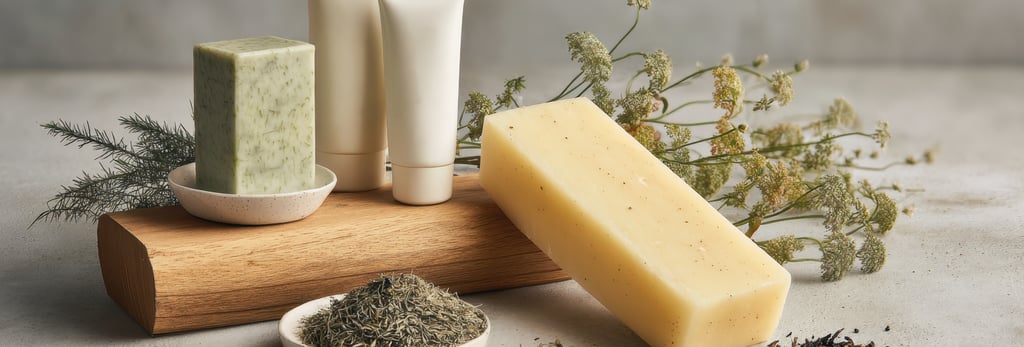
When you’re ready to go deeper, focusing on non-toxic choices can have a meaningful impact — especially for beginners.
High-impact areas to prioritise
You don’t need to change everything. Start with areas that affect your health most:
Indoor air quality
Cleaning products
Personal care items
Small changes here can make a big difference over time.
What can wait (and why that’s okay)
Other areas can be updated slowly. Sustainable living works best when it grows with you — not when it feels forced.
Where to Start If You’re Feeling Overwhelmed Right Now
If everything still feels like too much, pause — and simplify.
A simple 3-step starting plan
1. Choose one area of your life
2. Make one small habit change or swap
3. Revisit in 30 days
Final Thoughts: Sustainable Living Is a Journey, Not a Deadline
Learning how to start sustainable living isn’t about doing more — it’s about doing what feels right for you, at your own pace.
Coming Soon Link to: sustainable living without perfection